


Where Does Ube Come From? The Origins of Purple Yam
Ube has become increasingly visible in cafés, bakeries and food products around the world, but the ingredient itself is far from new.
Known botanically as Dioscorea alata, Ube is a species of yam with a long history of cultivation in tropical regions. Today, it is particularly associated with the Philippines, where purple yam has become an important ingredient in traditional desserts and modern food culture.
What Is Ube?
Ube is a yam belonging to the species Dioscorea alata.
The edible tuber can develop distinctive purple to violet flesh, although the exact appearance can vary naturally.
Ube is commonly cooked and used in sweet foods, particularly desserts. It can also be processed into powder, providing a more practical ingredient format for food businesses located far from the regions where fresh Ube is cultivated.
Where Did Ube Originate?
Dioscorea alata has been cultivated in tropical Asia for thousands of years and is considered one of the world's oldest cultivated yam species.
Over centuries, cultivation spread across different tropical regions through migration, agriculture and trade.
The plant can now be found in parts of Southeast Asia, the Pacific, Africa and other tropical regions.
However, the ingredient known internationally as "Ube" has an especially strong cultural connection with the Philippines.
Ube in the Philippines
In the Philippines, Ube has been used for generations in traditional cooking and desserts.
One of its best-known preparations is ube halaya, a sweet purple yam preparation traditionally made by cooking Ube with ingredients such as milk and sugar until it develops a thick consistency.
Ube halaya can be eaten on its own or incorporated into other Filipino desserts.
Ube is also closely associated with halo-halo, cakes, pastries, ice cream and numerous other sweets.
This long-established culinary use is important because the international Ube trend did not create Ube cuisine. Rather, global consumers are discovering an ingredient that already had a significant place in Filipino food culture.
How Ube Became Known Internationally
For many years, Ube remained much better known within Filipino communities and parts of Asia than in mainstream European food markets.
That has changed considerably.
Its distinctive appearance made Ube particularly suitable for visually striking desserts, and purple Ube cakes, ice creams and pastries increasingly appeared on social media.
International cafés and bakeries also began introducing Ube into contemporary products.
Ube lattes became particularly noticeable, helping move the ingredient beyond traditional desserts and into the speciality beverage market.
From Traditional Ube to Ube Powder
Fresh Ube is not always practical for commercial users in Europe.
Fresh tubers contain considerable moisture, require appropriate storage and may not be consistently available in markets where Ube is not widely cultivated.
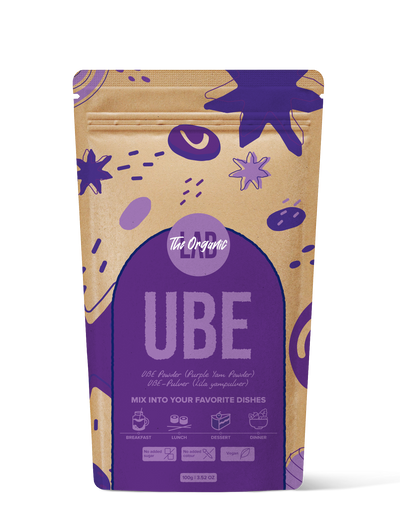
Drying and milling the ingredient creates Ube powder, which provides another format for transporting, storing and using purple yam.
This has helped make Ube accessible to cafés, bakeries, restaurants and food manufacturers far beyond its traditional markets.
Ube Arrives in European Food and Beverage Markets
Ube remains a relatively specialist ingredient in Europe compared with established ingredients such as cocoa, vanilla or matcha.
Nevertheless, European interest has expanded as consumers encounter Ube through Filipino cuisine, international travel, social media and speciality cafés.
Food businesses have consequently started experimenting with Ube in products such as lattes, cakes, cookies, pastries, ice cream, desserts and beverage concepts.
For European businesses, this growth has also created demand for professional Ube powder supply within Europe.
From Filipino Desserts to European Cafés
The journey of Ube illustrates how a traditional ingredient can enter entirely new food cultures without losing its original identity.
A purple yam that has been cultivated for generations is now being used by modern cafés, bakeries and product developers thousands of kilometres away from the regions where it is grown.
While contemporary applications continue to evolve, the ingredient itself remains Dioscorea alata — the purple yam widely known as Ube.
For professional European buyers, understanding that identity is particularly important when sourcing Ube powder, as Ube should not be confused with other purple root ingredients simply because they have a similar appearance. Get your Purple Yam Ube Powder with The Organic Labs.


