


Pandan and matcha often sit next to each other on café menus, and at first glance they look like two versions of the same thing: a fine green powder that turns milk, cake batter or gelato green. In the cup they are very different. One is a tea with a vegetal, slightly bitter character; the other is a fragrant leaf that smells sweet and tastes closer to vanilla and coconut.
For cafés, bakeries and home cooks choosing between them, or planning to offer both, this guide compares pandan and matcha on plant, flavour, caffeine, colour and use.
Two Unrelated Plants
Matcha comes from the tea plant, Camellia sinensis, the same evergreen shrub that gives green, black and oolong tea. Pandan comes from Pandanus amaryllifolius, a tropical plant of the screwpine family with long, blade-like leaves. The two are not related, and they are grown, processed and used in quite different ways.
What they share is simple: both are green leaves turned into powder, and both bring colour and flavour to a recipe at the same time.
How Each Powder Is Made
Matcha is made from tea bushes that are shaded for several weeks before harvest. The leaves are steamed, dried flat and stripped of their stems and veins, then ground very finely, traditionally on slow-turning granite millstones. Matcha is closely tied to Japan, where it is whisked with hot water using a bamboo whisk and served in the tea ceremony.
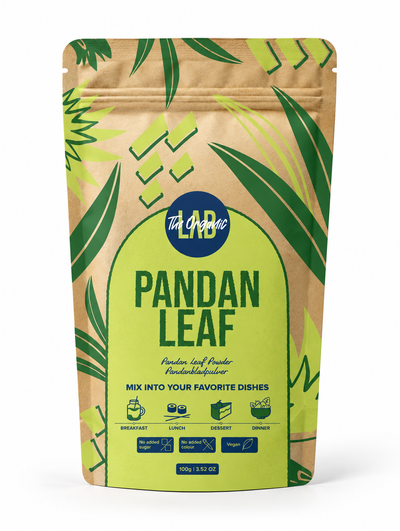
Pandan powder is made by drying pandan leaves and milling them into a fine powder. In its home cuisines, pandan is mostly used fresh, as whole leaves or as juice squeezed from blended leaves, so the powder is above all a practical format: it keeps the leaf's colour and aroma in a form that travels, stores and measures well.
Flavour: Vegetal Tea vs Sweet Fragrance
This is the biggest difference between the two.
- Matcha tastes fresh and vegetal, with a savoury umami depth, mild sweetness and a gentle bitterness at the finish. It reads clearly as tea.
- Pandan is mostly about aroma: sweet, vanilla-like and slightly nutty, with a light grassy note and subtle coconut notes. It has no tea character, and many people compare its scent to freshly cooked fragrant rice.
With milk, matcha keeps a tea-like edge that some customers love and others find too strong. Pandan with milk turns soft and dessert-like, which makes it an easy first green drink for people who do not enjoy matcha's bitterness. For a fuller description, see our guide to what pandan tastes like.
Caffeine
Matcha is tea, and like all tea from Camellia sinensis it contains caffeine. Because the whole powdered leaf is consumed rather than steeped and removed, that caffeine ends up in the drink.
Pandan is not tea. It is the leaf of an unrelated plant and is not known as a source of caffeine, so a pandan latte made without espresso is a different kind of drink from a matcha latte. A café that wants to state on its menu that a pandan drink contains no caffeine should check this against the supplier's specification first, and remember that an espresso shot or a tea base changes the answer.
Colour and How It Behaves
Both powders owe their colour to chlorophyll, the green pigment in leaves, so they react to the same things. Heat, light, air and acidity all shift chlorophyll from bright green towards olive. A baked sponge will never look quite like the powder that went into it, whichever of the two you use.
The shades differ. Good matcha ranges from bright to deep jade green, and shading the tea bushes is part of the reason for its intensity. Pandan leaf powder gives a natural green that turns softer and paler once it is mixed with milk or flour. Many people expect pandan desserts to be vivid emerald, but that look usually comes from colouring added to pandan pastes rather than from the leaf.
In practice, the same handling rules apply to both:
- cold and unbaked products, such as iced drinks, creams and gelato, keep the brightest colour
- acidic ingredients like citrus juice dull the green, so keep them in a separate layer where the look matters
- both powders should be stored sealed, cool and away from light
Preparing Each Powder
Matcha is usually sifted and whisked into water at around 70–80 °C, because boiling water brings out more bitterness. Pandan disperses best if it is first stirred into a little warm milk or water to form a smooth paste before the rest of the liquid goes in; for a 300 ml pandan latte, 3–5 g of powder is a good starting point.
Neither powder fully dissolves. Both are milled leaf, so they stay suspended for a while and then settle, and a quick stir before drinking keeps the cup even.
Uses: Where Each Powder Shines
Matcha suits:
- whisked tea and tea-forward lattes
- desserts where a tea flavour is the point, such as matcha tiramisu or financiers
- pairings with strawberry, red bean and white chocolate
Pandan suits:
- sweet, fragrant lattes and iced drinks, especially with coconut milk
- chiffon cakes, sponges, waffles and doughnuts
- coconut custards, kaya-style spreads, creams and fillings
- ice cream and gelato, alone or with coconut and palm sugar
Both work well in bubble tea, smoothies and butter cookies.
Using Pandan and Matcha Together
Because their flavours are so different, pandan and matcha can share a menu without competing. A café can offer both as a small green drinks section: matcha for customers who want tea, pandan for those who want something softer and sweeter. In desserts, a pandan sponge with a matcha cream, or a two-layer green drink, lets customers taste the contrast. Test the balance carefully, as matcha's bitterness can easily cover pandan's delicate aroma.
Which Should You Choose?
Choose matcha if you want a tea, a stronger and more savoury flavour, and a drink that contains caffeine. Choose pandan if you want a green drink or dessert with a sweet, vanilla-like aroma that pairs naturally with coconut and appeals to people who find matcha too bitter. For a full menu, the two complement each other well. Our guide on how to use pandan powder covers mixing and amounts.
Buying Pandan and Matcha
Home cooks who want to try matcha can start with the Premium Organic Matcha Powder – 70g retail pack, and our pandan guides explain how to use pandan in a home kitchen. Cafés, bakeries and manufacturers can request quotes and samples for both: bulk pandan powder in 25 kg drums and Bulk Organic Matcha Powder 25kg.


