

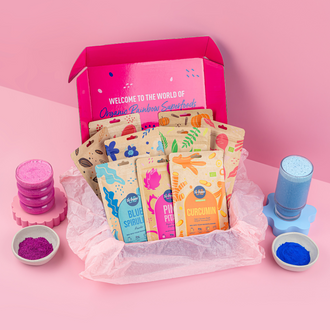
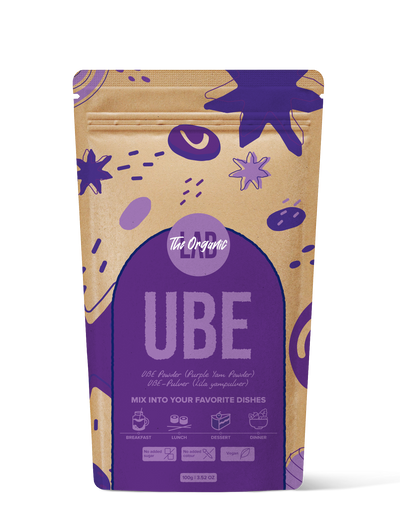
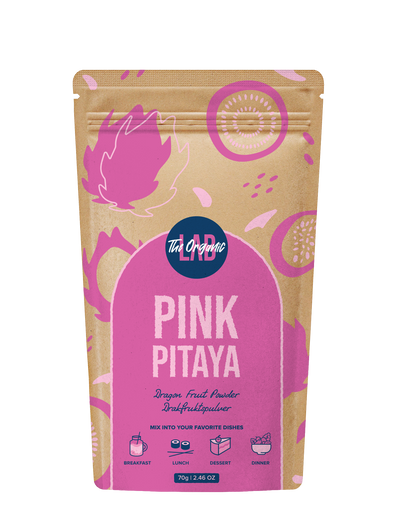
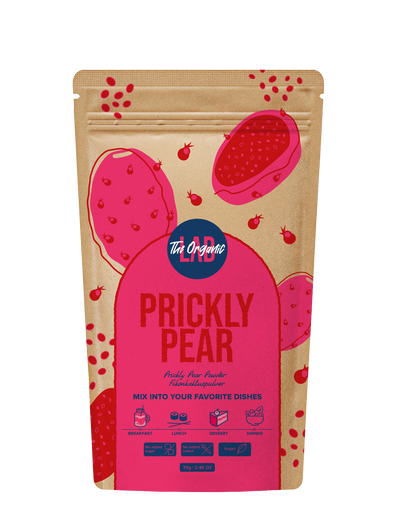

Blue spirulina is a bright blue colour ingredient made from spirulina, a microalga known botanically as Arthrospira platensis. The blue comes from phycocyanin, a pigment that spirulina produces as it grows and that can be separated from the rest of the alga and dried into a fine powder.
It has become a familiar sight in blue lattes, smoothie bowls, frostings and gelato, yet many people who order it are not quite sure what it is. This guide explains where the colour comes from, how blue spirulina differs from ordinary spirulina, and what that means in practice for cafés, bakeries and anyone cooking with it at home.
What exactly is blue spirulina?
Blue spirulina is not a separate species or a blue variety of spirulina. It is the blue pigment of spirulina, extracted and concentrated. The pigment is called phycocyanin, and on ingredient lists the powder may appear as spirulina extract, blue spirulina or phycocyanin.
The powder itself is a brilliant blue to cyan. Stirred into water it gives a clear, vivid blue; in milk or a white base it becomes softer and more pastel, closer to sky blue or turquoise depending on how much is used.
Its taste is very mild and largely neutral. That is the main reason it is used: it adds a strong colour while changing the flavour of a recipe very little.
What is spirulina?
Spirulina is the common name for Arthrospira, a group of microscopic organisms that live in warm, alkaline water. Scientifically they are cyanobacteria, although they are usually called blue-green algae. Under a microscope they form fine, spiral-shaped filaments, which is where the name spirulina comes from.
Arthrospira platensis is the species most widely cultivated today. It is grown in shallow ponds or closed systems, harvested, and dried into the dark green powder that most people picture when they hear the word spirulina.
Why is spirulina blue-green?
Spirulina contains two main kinds of pigment. Chlorophyll gives a green colour, as it does in land plants. Phycocyanin gives a blue colour. Together they produce the deep blue-green, almost black-green shade of whole spirulina.
Phycocyanin dissolves in water, while chlorophyll does not. That difference is what makes blue spirulina possible: the blue pigment can be drawn out of the alga with water, separated from the green material, then concentrated and dried. The result is a powder that carries the blue without the green.
Blue spirulina vs green spirulina
Although they share a name, the two powders behave very differently in food. Green spirulina is the whole dried alga. It has a strong, marine taste and smell and colours food a dark green. Blue spirulina is the extracted pigment, with a much milder taste and a bright blue colour.
For most cafés and pastry kitchens, that difference settles the choice. Green spirulina is used where an earthy, sea-like flavour is acceptable; blue spirulina is used where colour is the goal. We compare the two side by side in our guide to blue spirulina vs green spirulina for food businesses.
How blue spirulina behaves in food
Phycocyanin is a delicate pigment, and three conditions matter most when working with it:
- Heat. Prolonged heat fades the blue. In long bakes the colour can dull or drift towards green or grey, so blue spirulina is at its best in cold, no-bake or briefly warmed recipes.
- Acid. In strongly acidic recipes, such as lemonade or citrus fillings, the colour can fade, look cloudy or settle out over time.
- Light. Strong light can fade the colour gradually, which is worth remembering for drinks or desserts held in brightly lit display cabinets.
The colour also mixes with whatever surrounds it. Blue in a yellow base, such as a butter-rich buttercream or an egg-yolk custard, tends to turn turquoise or green. In a white base it stays closest to a true blue.
Is blue spirulina the same as butterfly pea?
No. Butterfly pea flower is another ingredient used for blue drinks, but it comes from a flowering plant, and its colour reacts to acid by shifting towards purple and pink. That is why a squeeze of lemon changes a butterfly pea drink so dramatically.
Blue spirulina does not change hue in that way. When it meets acid it is more likely to lose intensity or turn cloudy than to turn purple. The two are not interchangeable in recipes, so it is worth knowing which one a product contains.
How is blue spirulina used?
Blue spirulina is used almost entirely as a colouring ingredient. Common uses include:
- hot and iced blue lattes, milkshakes and bubble tea
- smoothies and smoothie bowls
- buttercream, frostings, glazes and whipped cream
- no-bake cheesecakes, mousses and panna cotta
- ice cream, gelato and frozen yoghurt
- confectionery and other manufactured foods
Only a small amount is needed for a strong colour, so a little powder goes a long way. Our guide to using blue spirulina powder covers mixing methods and starting amounts for each of these.
Blue spirulina powder from The Organic Labs
The Organic Labs supplies blue spirulina powder (phycocyanin from Arthrospira platensis). It is a single-ingredient, vegan powder with a brilliant blue to cyan colour and a very mild, largely neutral taste. Store it in a cool, dry place below 25 °C; shelf life is 2 years from production date.
For home kitchens, the Blue Spirulina Powder – 50g is a practical size for drinks, bowls and frostings. Cafés, bakeries, gelato makers and manufacturers buying larger volumes can request a quote for Bulk Blue Spirulina Powder 25kg, supplied in 25 kg drums and shipped from Sweden.


