

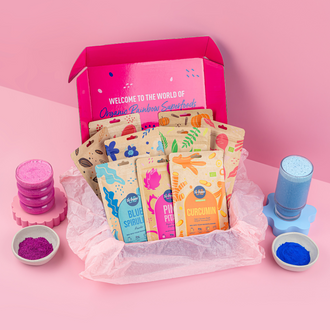
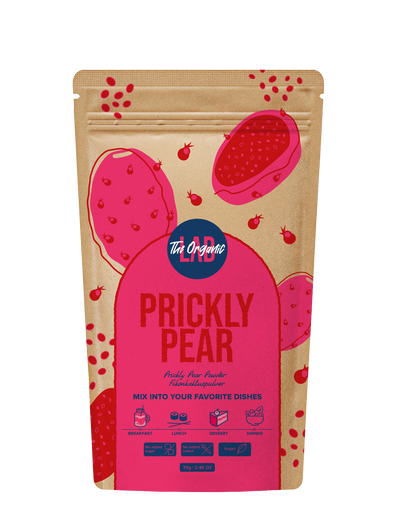
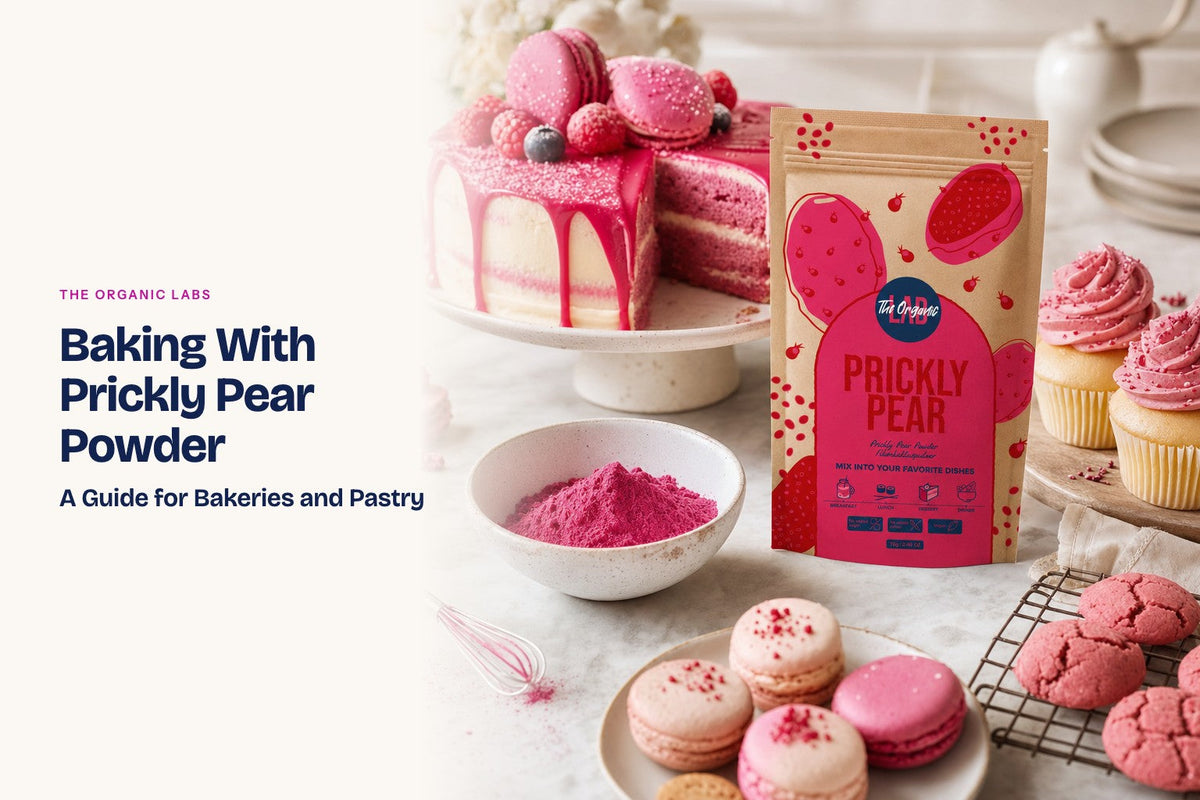
Pink bakes catch the eye, and prickly pear powder gives pastry kitchens a way to make them with a real fruit ingredient. The powder, made from the fruit of the Opuntia ficus-indica cactus, brings a magenta-pink colour and a mild, fruity, slightly tangy taste to cakes, cookies, creams and fillings.
Baking is also where it needs the most care. Heat, time, leavening and moisture all shape the final colour and texture. This guide is for bakeries and pastry chefs developing prickly pear products for their own counter, a café or wholesale customers.
What Prickly Pear Brings to Bakery Products
The powder works on three levels. It colours the crumb, cream or glaze. It adds a fruit note that reads as light berry and melon. And it adds dry fruit solids, which absorb liquid and change texture slightly.
That third point is easy to overlook. Adding powder to an established recipe without adjusting anything else can give a drier crumb or a stiffer dough, especially towards the top of the dosage range.
Starting Dosage and Recipe Balance
For cakes and sponges, start at 3–6% of flour weight. In a batter made with 1 kg of flour, that means 30–60 g of powder. Because the powder absorbs moisture, increase the liquid slightly, with a little more milk, water or fruit purée, and compare the consistency with your standard batter.
For fillings, creams and confectionery, 3–6% of the recipe weight is a sensible starting range. Unbaked elements often need less powder for the same visual result, because no colour is lost in the oven.
Mixing Into Batters and Doughs
Sift the powder together with the flour and other dry ingredients. This breaks up any clumps and gives an even colour without streaks. In creamed cake methods, it can also be beaten in with the butter and sugar, which helps it disperse.
For enriched yeast doughs such as brioche or doughnuts, add the powder with the flour at the start of mixing. Watch the dough consistency, as the fruit solids take up water, and compare proving times with your standard dough the first time you run it.
Colour in the Oven
The pink of prickly pear comes from betalains, pigments that are sensitive to prolonged heat. In practice:
- Shorter bakes keep more colour. Cupcakes, thin sponge sheets, roulades, cookies and macaron shells hold their pink better than deep loaf cakes.
- Crust and crumb behave differently. The outside browns as usual while the inside stays pinker. Trimming the crust or covering it with frosting shows the colour where it matters.
- Leavening affects the shade. Strongly alkaline batters with a lot of bicarbonate of soda can turn the pink dull or brownish. Baking powder, or a little acid such as buttermilk or lemon juice, helps keep it pinker.
- Judge after cooling. Colour shifts as baked goods cool and set, so assess it on the finished product.
Expect baked colour to be softer and warmer than the raw batter. If the brief calls for a vivid pink, put the prickly pear in the parts of the product that never see the oven.
Cakes and Sponges
Prickly pear sponges make good layer cakes, with a pink crumb that shows when the cake is cut. Pair them with vanilla, lime or white chocolate fillings. In roulades and Swiss rolls, the thin sheet and short bake keep the colour bright.
In muffins and loaf cakes, use the powder for flavour and a soft pink tone, then finish with a prickly pear glaze so the top carries a stronger colour.
Cookies, Shortbread and Macarons
In butter cookies and shortbread, the powder gives a pastel pink and a gentle fruit note. Keep bake times short and avoid over-browning, which hides the colour.
For macarons, sift the powder with the ground almonds and icing sugar. Too much dry powder can change the consistency of the batter, so increase it in small steps. Prickly pear with white chocolate, or prickly pear with lime, makes a reliable macaron filling.
Frostings, Glazes and Fillings
This is where prickly pear looks its best. Unbaked creams keep the full colour, and the fruit flavour is more noticeable.
- Buttercream: sift the powder with the icing sugar. In Swiss or Italian meringue buttercream, add it at the end with the flavourings.
- Cream cheese frosting: beat it into the cheese with the sugar before adding butter or cream.
- Glazes: whisk it into icing sugar with water or lemon juice for doughnuts, bundt cakes and pastries.
- Pastry cream and mousse: whisk the powder in once the cream has cooked and cooled slightly, so the colour avoids long boiling.
- White chocolate ganache: stir the powder into the warm cream before pouring it over the chocolate.
Display and Shelf Life
Bright display lighting and contact with air fade fruit colours over time. Keep prickly pear products covered where possible, rotate the cabinet regularly and compare a product at the end of its display life with a fresh one. If the bake goes to wholesale customers, include colour in your shelf-life checks.
Testing a New Product
- Bake the standard recipe at two or three dosages within the 3–6% range.
- Adjust the liquid for each and note the batter consistency.
- Assess colour and flavour on the cooled product, in daylight and under your counter lighting.
- Check the product again after a day, or at the end of its sales life.
- Write up the chosen recipe with exact weights so every batch comes out the same.
For drinks and desserts beyond the bakery, see how to use prickly pear powder. If you also run a coffee counter, our guide for cafés and coffee shops covers prickly pear drinks.
Supply for Bakeries
Bakeries can request a quote, a sample and the technical data sheet for the Bulk Prickly Pear Powder 25kg, packed in 25 kg drums and shipped from Sweden. Home bakers can try the same ingredient in the Prickly Pear Powder – 70g pack.


