


Prickly pear is the fruit of a cactus. More precisely, it is the fruit of Opuntia ficus-indica, the flat-padded cactus that grows across Mexico and the Mediterranean and fills late-summer market stalls from Sicily to Morocco. Peel away the bristly outer layer and you find soft, juicy flesh that, in many varieties, is a vivid magenta.
That colour is the reason prickly pear has found its way onto café menus and into pastry kitchens far from where the cactus grows. This guide explains what the plant is, what the fruit is like, where the colour comes from and how prickly pear powder is used.
The Plant: Opuntia ficus-indica
Opuntia ficus-indica belongs to the cactus family, Cactaceae. Instead of the tall green columns many people picture when they hear the word cactus, it grows as a branching shrub or small tree built from flat, oval segments. These segments are usually called pads; botanists call them cladodes.
The plant is well adapted to heat and drought. It stores water in its fleshy pads and copes with poor, stony ground, which is why it is such a common sight on dry hillsides, field edges and roadsides in warm climates.
In spring, yellow to orange flowers open along the upper rims of the pads. Each flower develops into a single egg-shaped fruit, so a mature plant in season carries rows of fruit lined up along the edges of its pads, ripening from green to their final colour.
One Fruit, Many Names
The fruit has picked up names wherever it has travelled. In English it is prickly pear, cactus pear, Indian fig or Barbary fig. In Mexico the fruit is called tuna and the pads nopales. Italians call it fico d'India, and in Spain it is often known as higo chumbo.
For anyone buying the ingredient, the names matter less than the botanical identity. Prickly pear powder should be made from the fruit of Opuntia ficus-indica, and the botanical name is the most reliable thing to look for on a label or specification.
What the Fruit Is Like
A prickly pear is roughly the size and shape of a large egg. Its rind carries small tufts of fine, barbed bristles called glochids. They come away easily and are hard to see, which is why the fruit is usually handled with gloves or tongs and peeled before eating.
Inside, the flesh is soft, juicy and full of small, hard seeds. Depending on the variety, it can be pale green, yellow, orange, red or a deep purple-magenta. The red and magenta types are the ones behind the bright pink drinks and desserts now seen in cafés.
Ripe prickly pear tastes sweet and mild, with a watery freshness that many people compare to watermelon and a light berry note. We look at the flavour in more detail in our guide to what prickly pear tastes like.
Why Is Prickly Pear Pink?
The colour of red and magenta prickly pears comes from pigments called betalains. They belong to the same family of pigments that colours beetroot and red-fleshed dragon fruit, and they are different from the anthocyanins found in blueberries or purple sweet potato.
The difference has practical consequences in the kitchen. Betalain colours tend to stay pink across the mildly acidic to neutral range of most drinks and desserts, rather than turning blue or green the way some anthocyanin colours do. They are, however, sensitive to long heating, strong light and air, so a magenta cake batter can bake to a softer shade than the raw mix suggests.
Because prickly pear is a fruit and not a manufactured colour, its shade can also vary a little from crop to crop. In milk or a pale cream, the powder reads as anything from bright magenta to a soft rose pink, depending on how much is used.
Fruit, Not Pads
The prickly pear cactus gives two quite different foods. In Mexico, the young pads are cleaned of their spines and cooked as a vegetable, known as nopales or nopalitos. The fruit is eaten fresh, juiced or turned into sweets and drinks.
This matters when you buy a powder. Some products sold simply as cactus powder are made from the pads, which are green and taste of vegetables. Prickly pear powder is made from the fruit: it is pink, fruity and used to add colour and flavour. If a label only says cactus, check which part of the plant was used.
From Fresh Fruit to Powder
Fresh prickly pears are seasonal, fragile once ripe and awkward to prepare in any quantity because of the glochids. Drying the fruit and grinding it into a fine powder removes most of those problems. The powder can be stored, weighed and shipped like any other dry ingredient, and used all year.
The result is a magenta-pink powder with a mild, fruity and slightly tangy taste. A single-ingredient powder contains nothing but prickly pear, so it brings colour and fruit flavour together, without the sugar, milk powder or flavourings of a ready-made drink mix. Kept closed in a cool, dry place below 25 °C, it is an easy ingredient to keep in the cupboard.
How Prickly Pear Powder Is Used
Most uses fall into a handful of groups:
- Drinks: pink lattes, iced milk drinks, smoothies, lemonades, juices and mocktails.
- Baking: sponges, cupcakes, cookies, doughnut glazes, buttercream and cheesecake.
- Desserts: mousse, panna cotta, yoghurt, overnight oats and fruit fillings.
- Frozen: ice cream, gelato, sorbet and frozen yoghurt.
- Confectionery and sauces: fillings, spreads, syrups and fruit sauces.
The powder is usually whisked into a little liquid first, or mixed with the other dry ingredients, so that it spreads evenly. Our complete guide to using prickly pear powder covers methods and amounts for each of these.
Prickly Pear in European Kitchens
Southern Europe has known the fruit for centuries, and the cactus is part of the landscape there. What is newer is its use as a colour and flavour ingredient in cafés, bakeries and ice cream shops across the rest of the continent, where customers are drawn to drinks and desserts that look as distinctive as they taste.
For a café, the appeal is a pink drink with a genuine fruit flavour, made from one ingredient. For a pastry chef, it is a way to bring a soft pink and a light, fresh fruit note to buttercream, macarons or a cheesecake topping without reaching for a synthetic colour.
Buying Prickly Pear Powder
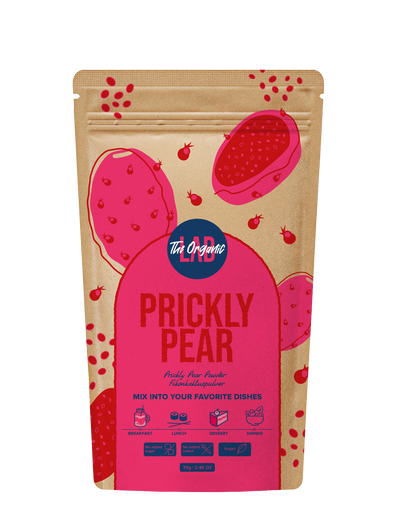
For home baking and drinks, the Prickly Pear Powder – 70g pack is a practical size for trying recipes. Cafés, bakeries and food producers who need regular volumes can request a quote for the Bulk Prickly Pear Powder 25kg, packed in 25 kg drums and shipped from Sweden.


