



Few drinks announce spring as clearly as a sakura latte. The soft pink stands out on the counter and in photos, and the floral flavour is something customers cannot get from coffee, chocolate or matcha. For a café, a sakura menu can become a fixture that regulars wait for each year, as reliable as the blossom itself.
Sakura also asks for some care. Its flavour is delicate, it does not dissolve completely, and busy service leaves no time to whisk every cup by hand. This guide covers sakura drinks, menu ideas and how to prepare a sakura base for fast, consistent service.
Why Sakura Belongs on a Café Menu
- A seasonal reason to visit: a spring sakura menu gives regulars something new and draws people who follow the season.
- A drink beyond coffee: it sits alongside matcha and hot chocolate for customers who want something different.
- A strong visual: the pastel pink looks good in a glass and on social media.
- Flexibility: the same powder works in hot, iced, blended and bubble tea drinks, and in the pastry case.
The Sakura Latte
A common starting point is 3–5 g of sakura powder for a 300 ml latte.
- Sift the powder into the cup or pitcher.
- Mix it to a smooth paste with a small amount of warm milk or water.
- Add sweetener: plain syrup, vanilla syrup or a little white chocolate sauce.
- Pour in steamed milk and finish with a light dusting of sakura powder.
Sweetness matters more than in coffee drinks. Without it, the floral note can taste faint; with too much, it disappears. Find the balance in tasting, then fix it in the recipe. Whole milk and oat milk give the creamiest result, while coconut milk tends to cover the blossom flavour.
Iced Sakura Drinks
Iced drinks carry sakura into the warmer months. Cold dulls flavour, so iced versions usually need the top of the dose range or a little more syrup.
- Iced sakura latte: sakura base, cold milk and ice.
- Sakura matcha layer: sakura milk over ice, topped with whisked matcha for two distinct bands of colour.
- Strawberry sakura milk: strawberry purée in the bottom of the glass, sakura milk on top.
- Sakura cold foam: sakura whipped into sweetened cold foam and spooned over iced matcha or cold brew.
Bubble Tea and Milk Tea
Sakura milk tea is a natural fit for bubble tea menus. Use 3–5 g per serving and blend it into the milk base before adding ice, so the powder disperses evenly. A neutral or lightly brewed tea base lets the floral note through; heavily roasted or strongly scented teas can cover it. Tapioca pearls, strawberry or lychee jelly and a cream topping all suit sakura.
Smoothies and Blended Drinks
A blender disperses sakura easily, which makes smoothies and frappés a simple way to add it to the menu. Try sakura with banana, strawberry and vanilla, or a sakura and white chocolate frappé with ice and milk. Strongly coloured fruits such as blueberries take over the colour, so keep the other ingredients pale or red.
Sakura and Coffee
Some customers will want sakura with espresso. The roast flavour of coffee easily covers cherry blossom, so stirring the two together rarely shows sakura well. Better options are a single short shot in a larger sakura latte, a sakura white mocha with white chocolate, or a sakura cold foam on top of cold brew, where the blossom flavour comes first on each sip. Our guide to what sakura tastes like covers which flavours suit it and which overpower it.
Preparing a Sakura Base for Fast Service
Mixing a paste for every drink is slow at peak times. A practical answer is to prepare a sakura concentrate in advance:
- Weigh 100 g of sakura powder and 400 g of warm water.
- Blend or whisk until completely smooth.
- Pour into a clean, covered bottle, label it with the time it was made and keep it chilled.
- Shake or stir before each use, as the plant particles settle.
Made this way, 20 g of concentrate carries 4 g of sakura powder, so a measured shot or pump doses each drink consistently. If you add syrup to the base, recalculate the dose. Use the base within the time your food safety plan allows. For quieter cafés, pre-weighed portions of powder mixed with sugar in small containers are a simple alternative.
Menu Ideas for a Sakura Season
- hot and iced sakura lattes
- sakura matcha layered latte
- sakura white hot chocolate
- sakura milk tea with tapioca pearls
- sakura strawberry smoothie
- cold brew with sakura cold foam
- sakura cream puffs, madeleines or mochi from the pastry case
Launching the menu as the cherry trees bloom in your own city ties the drinks to what customers see on the street. Some cafés keep one sakura drink all year once it has found its regulars.
Consistency and Storage Behind the Bar
- Write recipe cards in grams and millilitres, not spoonfuls.
- Keep a scale at the bar and use the same milk for every drink.
- Photograph the target colour so every barista can match it.
- Check the bottom of the pitcher for sediment after mixing.
Behind the bar, keep sakura powder in a cool, dry place below 25 °C, away from direct sunlight and from the heat of the espresso machine. The powder absorbs moisture, so close the pack after each use, scoop with a dry spoon and decant a working amount into a small airtight container for daily service.
Sakura Supply for Cafés
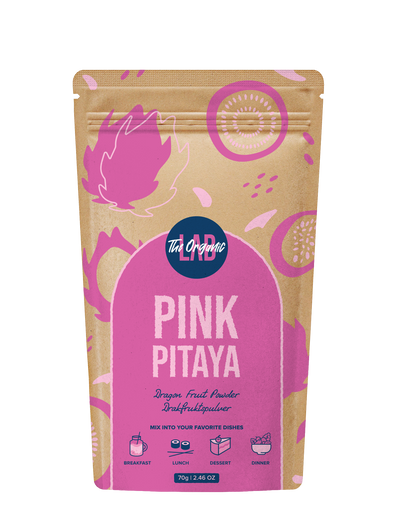
Cafés can request a quote, documents or a sample for Bulk Sakura Powder 25kg. A single 25 kg drum suits cafés testing sakura on the menu, and larger steps suit café groups and HoReCa operators using sakura year round. Our guide to buying sakura powder in Europe explains how to estimate the volume you need, and our comparison of sakura and pink pitaya powder helps if you are weighing up colour options. Home cooks will find simpler methods in our guide on how to use sakura powder.


