


How to Use Ube Powder: A Complete Guide
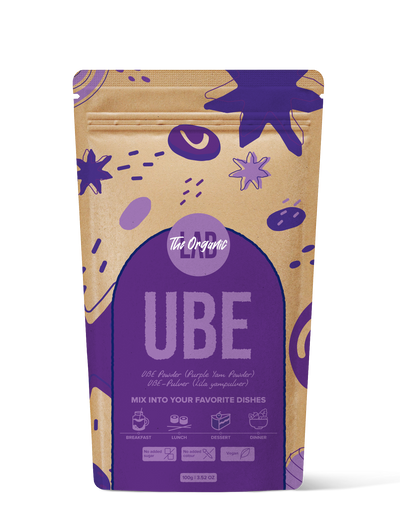
Ube powder is a versatile ingredient that can be used in drinks, baking, desserts, ice cream and many other food applications.
Made from purple yam (Dioscorea alata), Ube powder provides the characteristic flavour and natural purple appearance associated with Ube while offering a practical format for cafés, bakeries, restaurants and food manufacturers.
But how do you actually use Ube powder?
The best method depends on what you are making. Ube powder behaves differently in a latte than it does in cake batter, ice cream or commercial food production.
This guide explains the most common ways to use Ube powder and what to consider when developing recipes with it.
How Do You Use Ube Powder?
Ube powder can be incorporated into both liquid and dry formulations.
Depending on the application, it can be mixed with warm water before adding to drinks, blended into milk or plant-based beverages, incorporated into dry ingredients for baking, mixed into dessert fillings or added to ice cream and gelato bases.
Because Ube powder is a dry ingredient, the amount of liquid and other ingredients in a recipe may need to be adjusted during product development.
There is no single dosage suitable for every application.
How to Mix Ube Powder
One of the most important considerations when using Ube powder is achieving even dispersion.
Adding a large quantity of dry powder directly into cold liquid can make it more difficult to distribute evenly.
For drinks, a practical method is to first combine the Ube powder with a small amount of warm water and whisk until evenly dispersed.
The resulting Ube mixture can then be combined with milk, a plant-based alternative or the remaining ingredients.
For commercial beverage preparation, businesses should establish a standard recipe so that flavour, colour and texture remain consistent between servings.
How to Use Ube Powder for Ube Lattes
Ube lattes have become one of the most recognisable modern applications for purple yam powder.
To prepare an Ube latte, first mix the powder with a small amount of warm water until evenly dispersed. Add warm or cold milk and sweeten according to the desired recipe.
For an iced Ube latte, prepare the Ube mixture first before combining it with cold milk and ice.
Milk choice can significantly influence the final drink. Whole milk, oat milk, coconut milk, soy milk and other alternatives can each produce different flavours, textures and appearances.
Cafés should therefore test their Ube recipe using the exact milk and sweetener that will be used on the menu.
How Much Ube Powder Should You Use?
There is no universal amount of Ube powder that works for every recipe.
The appropriate quantity depends on the application, serving size, other ingredients and the desired intensity of Ube flavour and colour.
For drinks, it is usually better to begin with a moderate amount and adjust during recipe development.
For baking and manufacturing, dosage should be tested against the complete formulation.
Simply adding more Ube powder does not necessarily produce a better result. Increasing the amount can also influence texture, moisture and the overall balance of the finished product.
For professional production, small test batches are recommended before establishing a final formulation.
How to Use Ube Powder in Baking
Ube powder can be incorporated into many bakery applications, including cakes, cookies, muffins, pancakes, waffles, buns, cheesecakes and pastries.
When using Ube powder in dough or batter, it can generally be combined with the other dry ingredients before the liquid ingredients are introduced.
This helps distribute the powder throughout the mixture.
Because Ube powder contributes additional dry material to the recipe, increasing the quantity may affect moisture and texture.
Commercial bakeries should therefore test their formulation rather than simply adding Ube powder to an established recipe without adjustment.
Using Ube Powder in Cakes
Ube works particularly well in cakes because both its flavour and purple appearance can become part of the finished product.
Ube powder can be mixed with flour and the other dry ingredients before preparing the batter.
The finished colour will depend on several factors, including the amount of Ube used, moisture, other ingredients and baking conditions.
Natural Ube should not be expected to behave exactly like artificial food colouring.
Using Ube Powder in Cookies
Ube powder can also be incorporated into cookie dough.
Mixing the powder evenly with the dry ingredients before combining them with butter, eggs or other wet ingredients can help achieve more consistent distribution.
Different cookie formulations may require different quantities. A soft cookie, shortbread-style biscuit and commercial filled cookie will each behave differently, so recipe testing remains important.
Using Ube Powder in Pancakes and Waffles
Ube pancakes and waffles are another simple application.
The powder can be combined with flour and the other dry ingredients before milk, eggs or plant-based alternatives are added.
This application can be particularly interesting for cafés, brunch concepts, hotels and restaurants looking to introduce Ube beyond beverages.
How to Use Ube Powder in Cheesecake
Ube can be incorporated into cheesecake fillings to create Ube cheesecake.
For a smooth filling, the powder should be thoroughly dispersed before the cheesecake is baked or chilled.
Depending on the recipe, Ube can be incorporated directly into the filling or first dispersed in a small amount of liquid.
Cream cheese, sugar, dairy and other ingredients will influence both the final flavour and appearance.
How to Use Ube Powder in Ice Cream and Gelato
Ube is traditionally associated with frozen desserts and works particularly well in ice cream and gelato applications.
Ube powder can be incorporated into the liquid base during preparation.
The exact method will depend on whether the producer is making dairy ice cream, plant-based frozen desserts, gelato or a larger commercial formulation.
The powder should be thoroughly dispersed throughout the base before freezing.
Commercial manufacturers should evaluate the final product after freezing because colour, flavour and texture should be assessed in the finished application rather than only in the liquid mixture.
Using Ube Powder in Bubble Tea
Ube powder can also be used in milk tea and bubble tea concepts.
It can be incorporated into milk-based drinks and combined with tapioca pearls, jellies, cold foams or other toppings.
For cafés and bubble-tea operators, preparing a standard Ube base can help improve consistency and service speed.
The final formulation should be developed according to the other ingredients used in the drink.
Using Ube Powder in Smoothies and Breakfast Products
Ube powder can also be incorporated into smoothies, smoothie bowls, yoghurt, overnight oats and other breakfast concepts.
Because these products vary considerably in moisture and composition, the powder should be added gradually and blended thoroughly.
Ingredients such as banana, coconut, vanilla, dairy and plant-based alternatives can significantly influence the finished flavour.
What Flavours Work Well With Ube Powder?
Ube has a relatively mild flavour, making it suitable for combination with a wide range of ingredients.
Popular combinations include coconut, vanilla, milk and cream, white chocolate, condensed milk and coffee.
The best combination depends on the intended product.
For commercial applications, Ube should be treated as part of the complete formulation rather than simply as a colouring ingredient.
Does Ube Powder Dissolve in Water?
Ube powder is made from the yam itself, so it should not be expected to behave exactly like a completely soluble flavouring or colouring.
Mixing, whisking or blending helps distribute the powder throughout a liquid.
For beverages, creating a smooth Ube mixture with a small quantity of warm water before adding the remaining liquid can make preparation easier.
Can You Use Ube Powder in Hot and Cold Drinks?
Yes. Ube powder can be used in both hot and cold beverage applications.
For cold drinks, preparing the Ube mixture separately before adding ice and cold milk can help achieve more even distribution.
For hot drinks, the Ube can be incorporated into warm liquid before the remaining ingredients are added.
Businesses should test their own preparation method and serving recipe to establish consistency.
Does Heat Affect Ube Powder?
Heat can influence natural food ingredients, including their colour and flavour.
The appearance of Ube in a baked product may therefore differ from its appearance as dry powder or in an unheated mixture.
Baking temperature, cooking time, moisture, pH and other ingredients can all influence the finished appearance.
This is why manufacturers and professional bakeries should evaluate Ube in the actual finished product rather than judging the ingredient only by the colour of the powder.
Using Ube Powder in Commercial Food Production
For food manufacturers, Ube powder can be considered for applications including beverages, bakery products, desserts, frozen products, confectionery and other formulated foods.
Commercial production requires more controlled testing than home preparation.
Manufacturers should evaluate dosage, dispersion, moisture, flavour, colour, heat processing, ingredient interactions and finished-product stability.
Pilot production can help determine the appropriate formulation before moving to larger manufacturing volumes.
Pure Ube Powder vs Prepared Ube Mixes
When developing an Ube product, it is important to understand what type of ingredient is being used.
Pure Ube powder is different from an Ube latte mix or other prepared formulation that may contain sugar, milk powder, flavourings, colours or additional ingredients.
For professional product development, checking the ingredient composition and botanical identity helps ensure that the ingredient matches the intended application.
Genuine Ube is Dioscorea alata, commonly known as purple yam.
Using Ube Powder Professionally
The same Ube powder can perform differently depending on whether it is being used in a latte, cake, cookie, ice cream or commercial food formulation.
Businesses should therefore develop recipes around their specific application rather than relying on one universal dosage.
Start with small trials, evaluate the finished product and adjust the formulation until the desired flavour, colour and texture are achieved.
For cafés, bakeries and food manufacturers, this also makes it easier to establish a repeatable recipe that can later be scaled for commercial production.
Looking for Ube Powder in Bulk?
For cafés, bakeries, food manufacturers, distributors and other professional buyers looking for larger quantities, explore our bulk Ube powder supply in Europe.


