

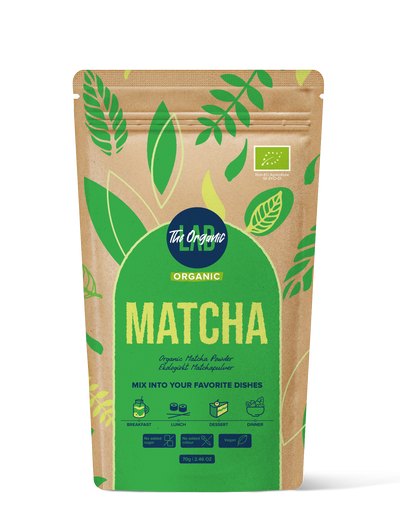

People trying matcha for the first time often describe it as grassy, or simply as green. That is a fair start, but good matcha has more going on: a savoury depth, a natural sweetness and a bitterness that should feel pleasant rather than harsh.
Knowing how those elements behave helps you get the flavour you want, from a bowl of whisked tea to a latte or a matcha dessert for a bakery counter. This guide breaks the flavour down and explains how it changes from one recipe to the next.
The Main Flavour Notes in Matcha
- Vegetal: fresh, green notes often compared to young leaves, spinach, seaweed or freshly cut grass.
- Umami: a savoury, almost brothy depth that comes from growing the leaves in shade.
- Sweetness: a mild, natural sweetness, more noticeable in smoother grades.
- Bitterness: a gentle bitter finish, characteristic of matcha, which grows with bolder grades and hotter water.
- Astringency: a slightly drying feel on the palate, stronger in culinary grades.
Aroma is part of the flavour too. Freshly opened matcha smells sweet and leafy; old or badly stored matcha smells flat or hay-like, and the taste follows.
Why Matcha Tastes the Way It Does
Shading the tea bushes before harvest changes the chemistry of the leaf: shaded leaves develop more of the compounds that taste savoury and fewer of those that taste sharp. Removing the stems and veins before milling keeps the flavour cleaner.
Because the whole leaf is consumed, matcha tastes more intense than steeped green tea, and a small amount of powder carries a lot of flavour. To see how this differs from cheaper powders, read matcha vs green tea powder.
Ceremonial vs Culinary Matcha Flavour
Grades taste different. Matcha meant for drinking with water is usually smoother and sweeter, with a softer bitterness. Culinary matcha is bolder and more astringent. That is not a fault: a strong tea character carries through milk, sugar, butter and cream, where a delicate matcha would disappear.
For lattes, baking and desserts, choose a powder by tasting it in the finished recipe rather than on its own.
How Matcha Tastes in Lattes
Milk changes matcha more than any other ingredient. Dairy fat softens the bitterness and astringency, making the drink smoother and rounder, while the vegetal and savoury notes remain. The choice of milk shapes the result:
- Whole milk gives a creamy, mellow drink.
- Oat milk adds a gentle cereal sweetness that suits matcha well.
- Soy milk adds body and a slightly beany note.
- Coconut milk brings its own flavour, which works with matcha in iced drinks.
- Almond milk is lighter, so more of the tea comes through.
Honey, vanilla syrup or simple syrup round off the finish. An iced latte tastes less sweet than a hot one made to the same recipe, because cold dulls our sense of sweetness.
How Matcha Tastes in Baking
Heat changes matcha. In cakes, sponges and cookies, the fresh leafy notes soften and the flavour becomes more tea-like and slightly toasty, while the bitterness stays as a pleasant edge against sugar and butter.
Baked goods also need more matcha than you might expect, because flour, eggs and butter dilute the flavour. A sponge with too little tastes faintly green but not clearly of tea; too much gives a bitter, drying finish. Our guide to baking with matcha powder gives starting amounts.
How Matcha Tastes in Desserts and Ice Cream
In unbaked desserts, such as mousse, panna cotta, cheesecake fillings and frostings, matcha keeps more of its fresh, grassy character. Cream and white chocolate soften it, which is why these are among the most popular matcha desserts.
Frozen desserts need a stronger dose. Cold numbs flavour perception, so a gelato base that tastes well balanced at room temperature can taste faint once frozen. Make the base slightly stronger than you want the final scoop to be.
Flavours That Pair Well With Matcha
Sweet and creamy
White chocolate, vanilla, milk, cream, condensed milk, honey and coconut soften the bitterness and bring out the sweet, savoury side of matcha. Matcha with white chocolate is the classic combination for good reason.
Nutty and toasty
Black sesame, almond, pistachio, red bean paste, toasted rice and brown butter add depth and suit baked goods and pastries.
Fruity and fresh
Strawberry, raspberry, yuzu, lemon, mango and passion fruit add contrast. Acidic fruit can shift matcha's colour towards olive, so layer fruit and matcha rather than mixing them where the look matters.
Matcha also meets coffee: a shot of espresso over an iced matcha latte has become a familiar café drink.
How to Taste Matcha Properly
To judge a matcha, or compare two, taste it plain before it goes near milk or sugar. Whisk 1–2 g in about 70 ml of water at 70–80 °C until a fine foam forms, then work through it in order:
- Look: note the colour of the liquid and how fine and lasting the foam is.
- Smell: fresh matcha smells sweet, leafy and slightly marine.
- Taste: sweetness and freshness come first, savoury depth in the middle, bitterness at the finish.
- Feel: a smooth, round mouthfeel points to fine milling; a gritty or very drying one does not.
Then make the same powder into a latte. A matcha that is pleasant in water but disappears in milk may be too delicate for café use.
What Spoils the Flavour
- Boiling water brings out bitterness. Use water at around 70–80 °C.
- Old or open powder loses aroma and turns flat and dull. Reseal after use and keep it cool and dry.
- Too much powder in a delicate recipe tips the balance into bitterness.
- Strong spices such as cinnamon or clove can easily hide the tea.
Taste It for Yourself
The quickest way to learn matcha is to taste it in water, in milk and in a simple bake, side by side. Home cooks can start with the Premium Organic Matcha Powder – 70g. Cafés and bakeries developing a matcha menu can request a sample and a quote for Bulk Organic Matcha Powder 25kg.


