


Matcha and green tea powder are often sold side by side, and both are green powders made from the same plant. Yet anyone who has made a latte with each knows they are not the same ingredient. One gives a bright green, smooth drink; the other often gives an olive-coloured, grassier cup with a drier finish.
For cafés, bakeries and anyone developing a recipe, knowing the difference helps you choose the right powder for the job and judge what you are actually buying. This guide compares the two on growing, processing, colour, flavour and uses.
The Same Plant, Different Leaves
Matcha and ordinary green tea both come from Camellia sinensis. Neither is oxidised: in both cases the leaves are heated after picking to keep them green. The differences come from how the bushes are grown, which parts of the leaf are used and how the leaf is turned into powder.
Put simply, matcha is one specific type of powdered green tea. Green tea powder is a broader term for any green tea that has been ground into powder.
Shading: The First Difference
Tea bushes grown for matcha are covered for several weeks before harvest to cut out most of the sunlight. The leaves respond by becoming thinner, softer and darker green, with a more savoury taste and less astringency.
Most ordinary green tea is grown in full sun. Sunlight produces a leaf with more of the compounds that give green tea its dry, slightly puckering feel, and a lighter, more yellow-green colour once ground.
Leaf Processing: Tencha vs Rolled Green Tea
After steaming, matcha leaves are dried flat without rolling, and the stems and veins are removed. What remains is tencha, a flaky leaf made only to be milled.
Ordinary green tea powder is usually ground from tea that was processed to be steeped: leaves that have been rolled and dried, sometimes together with stems and lower-grade leaf. The result can be perfectly good for its purpose, but it starts from a different raw material.
Stone Milling vs Other Grinding Methods
Matcha is traditionally ground on granite millstones that turn slowly. The slow pace keeps the leaf from overheating and produces an extremely fine, silky powder that stays suspended in liquid for longer.
Ordinary green tea powder is usually made with faster mechanical mills. The result is often coarser, with a slightly gritty feel on the tongue and more sediment at the bottom of the cup. Some matcha is also produced with modern mills, so fineness is worth checking rather than assuming.
Colour: Bright Green vs Olive Green
Colour is the easiest difference to see. Good matcha ranges from bright to deep jade green. Ordinary green tea powder tends to be duller: olive, khaki or yellow-green, sometimes with a brownish cast.
This matters most where colour is part of the product, such as a latte, a frosting or a gelato in a display cabinet. In a dark chocolate cookie or a savoury dish, it may matter much less.
Both powders lose colour when exposed to heat, light, air and acid, so storage and handling count for both.
Flavour: Umami and Sweetness vs Astringency
Matcha tastes vegetal and savoury, with a mild sweetness and a bitterness that is noticeable but rounded. Ordinary green tea powder usually tastes grassier and more astringent, and its bitterness can feel sharper, especially in larger amounts.
In milk drinks and sweet recipes, the difference becomes clearer still. Milk and sugar soften matcha into a smooth, creamy drink; with ordinary green tea powder, the astringency tends to show through. There is more on how matcha behaves in different recipes in our guide to what matcha tastes like.
Uses: When to Choose Which
Matcha is the better choice when:
- the product is sold on its green colour, such as lattes, iced drinks, frostings and gelato
- the powder is the main flavour rather than a background note
- a smooth texture matters, as in drinks, creams and ice cream
Ordinary green tea powder can be enough when:
- green tea is a minor flavour in a blend
- the colour is hidden by other ingredients or by baking
- the recipe calls for a strong, slightly astringent tea character
Cost follows process. Shading, sorting and slow milling all add work, so matcha generally costs more than ordinary green tea powder. In a recipe where its colour and flavour are hidden, that extra cost may not be worth it; in a matcha latte, it is the product.
Many bakeries settle on culinary matcha as a middle ground: it is still matcha, shaded and finely milled, but with a bolder taste suited to baking and milk drinks.
How to Tell Them Apart When Buying
Labels do not always make the distinction clear. A few simple checks help:
- Description: matcha should be described as milled green tea from Camellia sinensis, with no other ingredients unless it is sold as a mix.
- Colour: compare the dry powder against a reference in daylight. A strong, clear green suggests shaded leaf.
- Texture: rub a pinch between your fingers. Matcha feels silky and very fine; coarse or gritty powder suggests a different grind.
- Taste in water: whisk a little in warm water. Matcha should taste smooth and savoury rather than harsh.
- Test in the recipe: the final check is always the finished latte, cake or gelato.
Prepared mixes are a third category. Matcha latte mixes often contain sugar, milk powder or flavourings, so the share of tea can be low. For professional recipes, a pure powder gives far more control over dose, sweetness and colour.
Choosing the Right Powder
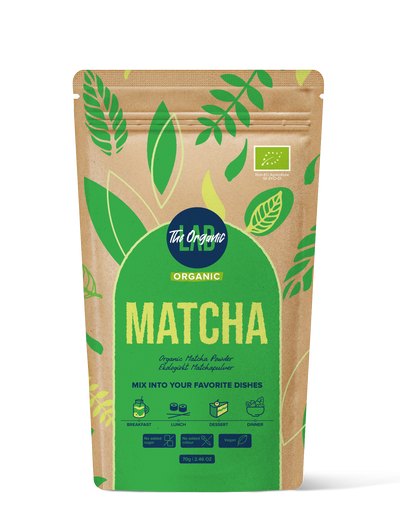
Home cooks can taste the difference for themselves with the Premium Organic Matcha Powder – 70g, or the larger Premium Organic Matcha Powder – 500g for regular baking. Cafés, bakeries and manufacturers can request a quote and a sample of Bulk Organic Matcha Powder 25kg to test against the powder they use now. Our guide on how to use matcha powder covers mixing and amounts.


