



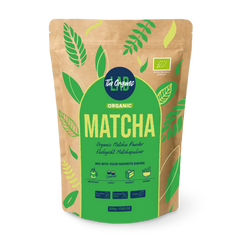
Premium Organic Matcha Powder – 70gPowdered green tea
- Single ingredient: matcha (Camellia sinensis)
- Vegan
- Vegetal and umami, with a gentle bitterness
- Contains caffeine
- Order by 14:00, ships the same day
- Delivery 1–3 days in Sweden, 3–6 days in the EU
- Free shipping on retail packs over €75
Secure checkout · Pay later with Klarna
Buying for a café or brand? Bulk & wholesale
 Premium Organic Matcha Powder – 70g70 g · 768.00TL
About the powder
What is premium organic matcha powder?
The colour: vibrant green, from jade to bright green
How to use
How to use premium organic matcha powder
The classic: an iced matcha latte in 4 steps.
- 1Sift 3–5 g matchaPush it through a small sieve into a jug to break up any clumps.
- 2Whisk with warm waterAdd a little water at 70–80 °C and whisk to a smooth concentrate.
- 3Fill a glass with milk and iceCold dairy or oat milk, to make about 300 ml in total.
- 4Pour the matcha on topThe green layers over the white; stir before drinking.
How much to use
| Recipe | Amount | Tip |
|---|---|---|
| Whisked matcha, 60–80 ml water | 1–2 g | Whisk at 70–80 °C to a fine foam |
| Hot latte, 300 ml | 3–5 g | Make a paste with warm water first |
| Iced latte, 300 ml | 3–5 g | Pour the concentrate over cold milk |
| Smoothie | 1–2 tsp | The blender disperses it for you |
| Cake or sponge, 250 g flour | 7.5–15 g | Sift with the flour |
| Frosting or filling, 100 g | 3–6 g | Unbaked recipes stay greenest |
| Ice cream, 500 g base | 10–20 g | Blend with the sugar first |
Starting points: more matcha gives more colour, but also more bitterness, so adjust in small steps.
Tip: Use water at around 70–80 °C rather than boiling, as very hot water brings out bitterness and dulls the fresh flavour. Sift the powder first and whisk it to a paste before adding the rest of the liquid.
See it in action
Premium organic matcha powder in action
Recipes
Matcha recipes
From our blog: every recipe that uses this powder.
 Organic MatchaMakes 1
Iced Matcha Latte – Easy Creamy Matcha LatteA refreshing iced Matcha Latte made with smooth matcha, cold milk and ice. Creamy, vibrant and easy to prepare at home in just a few minutes.View recipe
 Organic MatchaMakes 1
Strawberry Matcha Latte – Iced Layered Matcha DrinkA refreshing iced Strawberry Matcha Latte made with fresh strawberry purée, creamy milk and vibrant matcha. Sweet, fruity and earthy with beautiful pink, white and green layersView recipe
 Organic MatchaMakes 6–8 waffles
Matcha Waffles with Whipped Cream & RaspberriesLight and fluffy matcha waffles with a delicate green tea flavour, served with whipped cream, fresh raspberries and a drizzle of white chocolate. An easy matcha breakfast, brunch or dessert recipe.View recipe


Label information
Nutrition and ingredients
| Typical values | Per 100 g |
|---|---|
| Energy | 1268 kJ / 302 kcal |
| Fat | 5 g |
| of which saturates | 0 g |
| Carbohydrate | 21 g |
| of which sugars | 1 g |
| Fibre | 29 g |
| Protein | 24 g |
| Salt | 0 g |
- Ingredients
- Organic Matcha Powder
- Allergens
- None of the 14 EU allergens · see list
- Botanical name
- Camellia sinensis
- Net weight
- 70 g
- Storage
- Dry and cool, below 25 °C. No fridge needed. Reseal after use.
- Best before
- 2 years from production date
- Diet
- Vegan
Quality
Quality and safety
What you can expect from every pack.
Quality checked
Made in facilities that follow strict quality standards.
Certified
Produced and handled under certified food-safety standards.
Allergen free
None of the 14 allergens listed in EU law are ingredients in our retail packs.
Shipped from Sweden
Packed and shipped from our facility in Sweden.
Allergens
None of the 14 allergens listed in EU law are ingredients in this product.
- Cereals containing gluten
- Crustaceans
- Eggs
- Fish
- Peanuts
- Soybeans
- Milk
- Tree nuts
- Celery
- Mustard
- Sesame
- Sulphites
- Lupin
- Molluscs
How do you use matcha powder?
Is matcha the same as green tea powder?
Can matcha powder be used in baking?
How much matcha powder goes into gelato?
How much matcha goes in a café latte?
What does matcha taste like?
Where do you ship from?
From Sweden. Orders placed by 14:00 ship the same day, and delivery takes 1–3 days in Sweden and 3–6 days in the EU. Shipping is free on retail packs over €75.
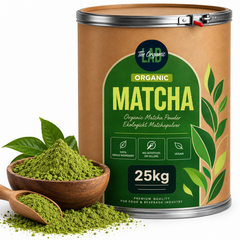
Larger quantities
Need more premium organic matcha powder?


Reviews
What customers say
A few words from people who cook with our powders.
“I used Black Cacao Powder in my brownies, and the result was amazing. It gave them a dark, intense chocolate flavour that everyone loved.”
“I've been using the Blue Spirulina Powder in my morning lattes, and it's been an absolute game-changer!”