

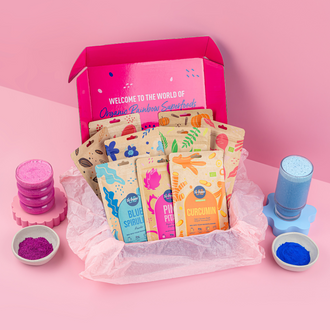
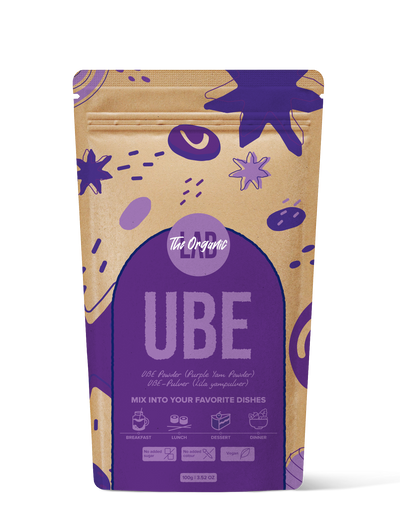
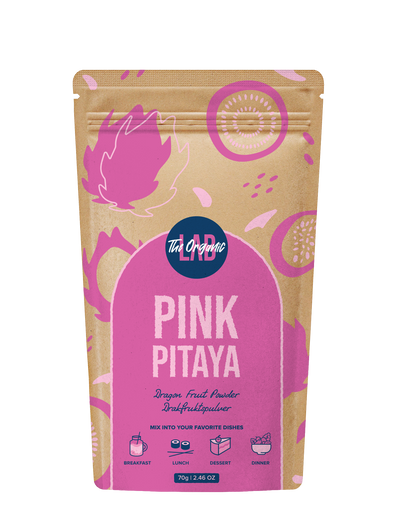
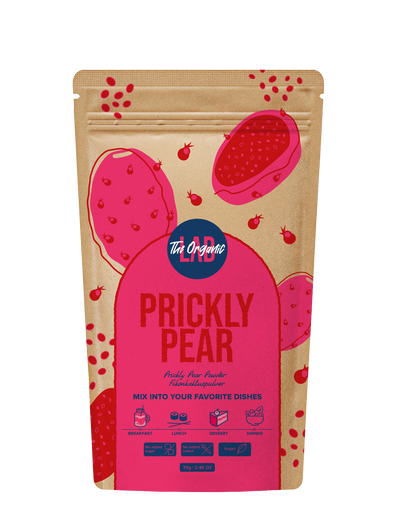

Few ingredients change the look of a café menu as quickly as pink pitaya. A single powder turns milk, lemonade or a smoothie bright pink, adds a gentle fruity flavour and gives customers who do not drink coffee something new to order.
This guide is for cafés, coffee shops, juice bars and bubble tea businesses. It covers the core pink pitaya drinks, serving amounts, menu ideas and how to prepare a pitaya base so busy service stays fast and consistent.
Why Pink Pitaya Works on a Café Menu
Pink pitaya gives cafés a drink that looks completely different from the usual browns and greens on the counter. The colour is strong enough to stand out in a glass, while the flavour is mild enough to pair with milk, coconut, citrus and tropical fruit.
It is also practical. The powder is 100% dragon fruit and vegan, it keeps in a cool, dry cupboard below 25 °C rather than the fridge, and it needs no equipment beyond the whisk, frother or blender you already have.
The Pink Pitaya Latte
The hot pink latte is the drink most customers recognise. A reliable method for a 300 ml cup:
- Weigh 3–5 g of pink pitaya powder into the cup or a jug.
- Add a splash of hot water or milk and whisk to a smooth paste.
- Add syrup or sweetener to taste.
- Top with steamed milk and finish with a little foam.
Steam the milk to your usual drinking temperature rather than very hot, as strong heat dulls the colour. Keep espresso out of it: coffee browns the pink and drowns the fruit. A light dusting of powder on the foam makes a simple finish.
Iced Pink Drinks
Iced drinks show pink pitaya at its best and are a natural fit for summer menus. Options include:
- Iced pink latte: pitaya base in the glass, then ice, then cold milk poured slowly for a layered look.
- Pitaya coconut cooler: pitaya base with coconut milk and ice, shaken.
- Pink lemonade: pitaya base with fresh lemon juice, syrup and still or sparkling water.
- Pitaya iced tea: a light green or white tea, shaken with pitaya base, lime and ice.
Fruit powders settle in cold drinks over time, so shake or stir drinks just before handing them over, and serve with a straw.
Smoothies and Pitaya Bowls
Pitaya bowls are a café staple: a thick, spoonable magenta smoothie topped with fruit, granola, coconut and seeds. The key is texture. Use mostly frozen fruit, such as banana, mango and berries, with a minimum of liquid, and blend in the pitaya powder until smooth. Write the recipe in grams so every bowl has the same thickness and shade.
For blended smoothies, pink pitaya pairs well with banana, pineapple, mango, strawberry and coconut. A squeeze of lime lifts both colour and flavour.
Bubble Tea and Milk Tea
Pink pitaya fits naturally into bubble tea menus. Use 3–5 g per serving and blend the powder into the milk base before adding ice. Pour over tapioca pearls, fruit jellies or popping pearls, and top with a cold foam if you offer one.
Pitaya milk tea works with jasmine green tea or simply with milk, and pitaya with lychee, coconut or mango gives an easy range of variations using toppings you may already stock.
Preparing a Pitaya Base for Fast Service
Whisking powder for every order slows the bar at peak times. Many cafés prepare a pitaya base at the start of the shift instead:
- Decide the dose per drink, for example 4 g, and the volume of base per drink, for example 30 ml.
- Multiply for the shift: 20 drinks need 80 g of powder in 600 ml of base.
- Whisk or blend the powder into warm water or a simple syrup until completely smooth.
- Pour into a clean, labelled squeeze bottle or pitcher, cover and keep chilled.
- Shake well before every pour, as the powder settles.
Each drink then needs only one measured pour of base plus milk, ice or lemonade. Set how long a prepared base may be kept according to your own food safety procedures, and date every batch.
Menu Ideas
- Pink pitaya latte, hot or iced
- Pitaya coconut iced latte
- Sparkling pink pitaya lemonade
- Pitaya mango smoothie
- Pitaya bowl with seasonal fruit
- Pitaya milk tea with tapioca pearls
- Pink hot white chocolate
- Seasonal specials for spring, summer or Valentine's Day
Pink pitaya also links drinks and food. A pitaya-glazed doughnut or pink pitaya cupcake next to a pink latte makes a coherent display. Our guide to what pink pitaya tastes like has more pairing ideas.
Consistency and Cost Control at the Bar
Pink drinks are visual, so a pale latte one day and a deep fuchsia the next is noticeable. Weigh the powder rather than using loose spoons, give staff a written recipe card in grams and millilitres, and use the same milk for the same drink. Weighing also makes the cost per drink predictable, which matters once a drink becomes a regular seller.
The milk changes the shade as much as the dose does. Oat milk gives a warmer, slightly muted pink, coconut and dairy a cleaner one. If you offer several milks, photograph a reference drink with each and keep the photos at the bar so staff know what a correct drink looks like.
Storage Behind the Counter
Steam and heat around an espresso machine are hard on fruit powders. Keep the main stock sealed in a cool, dry place below 25 °C, and decant a day's working quantity into a small airtight container. Always use a dry scoop, and never tip unused powder from the counter back into the main tub.
Supply for Cafés
Cafés with steady pink pitaya sales can order Bulk Pink Pitaya Powder 25kg, stocked and shipped from Sweden, with a sample on request; our article on pink pitaya powder supply in Europe explains volumes and ordering. Smaller cafés testing a new drink can start with the Pink Pitaya Powder – 1kg, and home cooks with the Pink Pitaya Powder – 70g pack.


