


Ube Powder for Ice Cream, Gelato & Frozen Desserts
Ube is becoming an increasingly distinctive ingredient for ice cream, gelato and frozen dessert development.
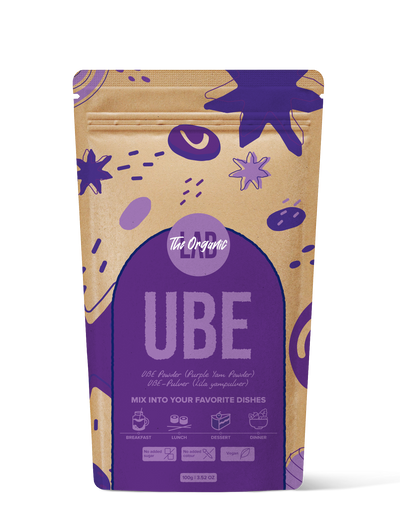
Known for its naturally purple appearance and mild flavour, Ube Purple Yam (Dioscorea alata) can be incorporated into dairy and plant-based frozen dessert formulations.
For gelaterias, ice cream manufacturers, restaurants and dessert brands, Ube powder provides a practical way to introduce genuine purple yam into new product development without relying on fresh Ube.
What Is Ube Powder?
Ube is a purple yam botanically known as Dioscorea alata.
Ube powder is produced from the yam in a dried, powdered format, making it easier to store, weigh and incorporate into professional food production.
It can be used in applications including ice cream, gelato, soft desserts, frozen desserts and other sweet formulations.
Why Use Ube in Ice Cream and Gelato?
Ube works particularly well in frozen desserts because its mild flavour combines naturally with creamy bases.
It also provides something increasingly important in modern dessert development: a distinctive ingredient that contributes both flavour and natural colour.
Ube can therefore help manufacturers and gelaterias develop products that stand apart from conventional vanilla, chocolate and fruit flavours.
What Does Ube Ice Cream Taste Like?
Ube has a mild, subtly sweet flavour with slightly earthy and delicate nutty characteristics.
The final flavour of Ube ice cream will depend heavily on the complete formulation.
Milk, cream, sugar, coconut and vanilla can all influence the finished flavour profile.
Ube should therefore be treated as an ingredient within the formulation rather than simply as a purple colouring powder.
Ube Powder for Gelato
Ube can be particularly interesting for artisan gelato producers looking to introduce less conventional flavours.
The powder can be incorporated into a gelato base during product development, allowing producers to adjust the quantity until the desired flavour and appearance are achieved.
Because every gelato formulation is different, commercial producers should test Ube within their own base rather than relying on a universal dosage.
Factors such as fat content, sugar, milk solids and other ingredients can influence the final result.
Ube Powder for Ice Cream Manufacturing
For larger ice cream manufacturers, repeatability becomes particularly important.
A successful development batch needs to be reproducible when production moves from small trials to commercial volumes.
This means manufacturers should document the quantity of Ube powder used, the point at which it is incorporated, mixing conditions and the characteristics of the finished product.
Once a formulation has been approved, consistent ingredient sourcing becomes important for maintaining the same product between production runs.
How to Mix Ube Powder Into an Ice Cream Base
Ube powder needs to be dispersed properly within the formulation.
Adding dry powder directly into a large volume of liquid without sufficient mixing can result in uneven dispersion or small clumps.
Depending on the production process, manufacturers may find it useful to first disperse the powder into part of the liquid base before combining it with the remaining formulation.
The appropriate method will depend on the equipment and manufacturing process being used.
Ube Powder in Dairy Ice Cream
Dairy bases provide a naturally creamy environment for Ube.
Milk and cream can soften and round the flavour while allowing the Ube character to remain noticeable.
However, dairy ingredients also influence colour.
A pale milk or cream base will naturally make the final Ube colour lighter than the powder itself.
This should be considered when developing the desired appearance.
Ube Powder in Plant-Based Frozen Desserts
Ube can also be explored in plant-based frozen dessert formulations.
Coconut-based products are particularly relevant because coconut and Ube are already commonly paired in Southeast Asian desserts.
Other plant-based bases may also be suitable depending on the desired flavour and texture.
As with dairy formulations, commercial testing is necessary because different bases can influence Ube flavour, colour and mouthfeel.
Ube and Coconut
Ube and coconut are a particularly established flavour combination.
Coconut can complement Ube without completely overpowering its mild character, making the combination suitable for ice cream, gelato and other frozen desserts.
This also creates opportunities for dairy-free and plant-based product development.
Natural Ube Colour in Ice Cream
One of the most recognisable characteristics of Ube is its natural purple colour.
However, genuine Ube powder should not be expected to behave like artificial food colouring.
The natural powder itself can have muted lavender to violet-purple tones rather than an artificial neon purple appearance.
Once incorporated into an ice cream or gelato base, the colour can become lighter because of ingredients such as milk and cream.
Why Can Ube Ice Cream Colour Vary?
Several factors can influence the final colour of an Ube frozen dessert.
These include the amount of Ube used, the colour of the base, processing conditions, pH and the other ingredients in the formulation.
For manufacturers, this makes controlled product trials important.
The objective should be to achieve a commercially acceptable combination of flavour, appearance and texture rather than simply adding more powder to create the darkest possible purple colour.
Ube Powder vs Ube-Flavoured Mixes
Businesses sourcing Ube ingredients should check the ingredient composition carefully.
Pure Ube powder is different from prepared Ube dessert mixes or flavoured powders that may contain sugar, colouring, flavouring or other ingredients.
For businesses specifically looking for genuine purple yam, the botanical identity is:
Dioscorea alata
Knowing the botanical identity is particularly important when comparing different purple ingredients.
Developing an Ube Ice Cream Product
Commercial product development should normally begin with controlled trials.
Manufacturers can evaluate different inclusion levels and processing methods before selecting the final formulation.
Important factors to evaluate include flavour intensity, colour, dispersion, texture, sweetness and consistency after freezing.
The final product should also be evaluated after storage rather than only immediately after production.
Ube Powder for Artisan Gelaterias
Ube is not limited to industrial manufacturing.
Independent gelaterias and dessert shops can use Ube to introduce a distinctive flavour into seasonal or permanent ranges.
Ube can also be combined with complementary flavours to create more elaborate gelato concepts.
For businesses introducing Ube for the first time, smaller production trials can be used to establish the desired formulation before increasing purchasing volumes.
Ube Powder for Frozen Dessert Manufacturers
Larger manufacturers need to consider more than recipe development.
Commercial sourcing can involve requirements around ingredient specifications, documentation, batch identification, packaging formats and continuity of supply.
These considerations become increasingly important when an Ube product moves from development into regular manufacturing.
Bulk Ube Powder for Ice Cream Production
Businesses producing Ube ice cream or gelato commercially may require substantially larger quantities than consumer-sized packaging can provide.
Bulk purchasing is therefore more appropriate for established production.
The Organic Labs supplies Ube Purple Yam Powder from Sweden to professional customers across Europe, including food manufacturers, dessert producers and HoReCa businesses.
Choosing Ube Powder for Frozen Desserts
When evaluating Ube powder, manufacturers should consider the complete ingredient rather than selecting purely on colour.
Important considerations include botanical identity, ingredient composition, flavour, powder characteristics, documentation and consistency.
The powder should then be tested in the manufacturer's actual formulation and production process.
This provides a much better indication of suitability than evaluating the dry powder alone.
Ube Powder for Ice Cream & Gelato in Europe
The growth of Ube in drinks, baking and desserts is creating opportunities for European food businesses to develop new applications around purple yam.
Ice cream and gelato are particularly suitable because their creamy profiles work naturally with Ube's mild flavour.
For manufacturers and gelaterias, the combination of controlled product development and reliable ingredient sourcing provides the foundation for introducing Ube into commercial frozen dessert production.
Looking for Ube Powder for Ice Cream or Gelato?
For gelaterias, ice cream manufacturers, dessert producers and other professional buyers, explore our bulk Ube powder supply in Europe.


