

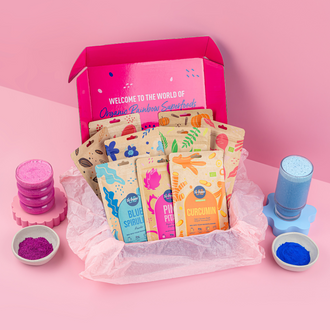
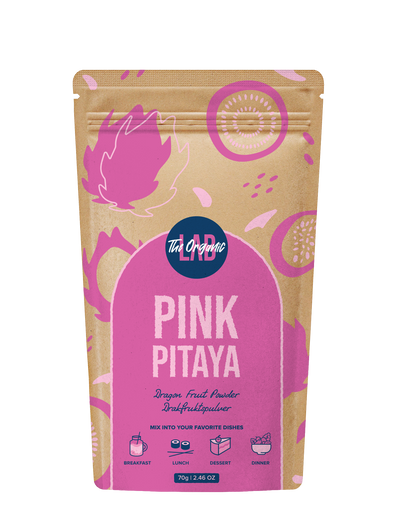

Pink pitaya powder is one of the easiest ways to bring a vivid magenta colour and a light fruity flavour into food and drinks. It is made from red-fleshed dragon fruit, so it behaves like a fruit ingredient rather than a liquid dye, and a few simple techniques make a big difference to the result.
This guide explains how to mix pink pitaya powder, how much to use and how to get good results in smoothies, lattes, iced drinks, bubble tea, frostings, baking and frozen desserts.
The Basic Method: Disperse First
The most common problem with any fruit powder is lumps. Dry powder tipped straight into a large volume of cold liquid tends to float and clump.
The fix is simple. For drinks, whisk the powder into a small amount of liquid first, about two to three tablespoons, until you have a smooth paste, then add the rest of the liquid. For batters, doughs and frostings, sift the powder together with the flour or icing sugar so it is spread evenly before any wet ingredients go in.
A small whisk, milk frother or blender makes dispersion quicker, and sifting removes any small clumps that formed in storage.
How Much Pink Pitaya Powder to Use
There is no single right amount. It depends on the shade you want, the other ingredients and the serving size. These ranges are useful starting points:
- Latte or milk drink (300 ml): 3–5 g
- Bubble tea: 3–5 g per serving
- Smoothie at home: 1–2 teaspoons
- Cakes and sponges: 3–6% of the flour weight
- Ice cream and gelato: 2–4% of the base
- Fillings, spreads and confectionery: 3–6% of the recipe
Start at the lower end, look at the colour and taste, then adjust. More powder gives a deeper colour but also adds dry matter, which can thicken drinks and change the texture of creams and batters.
Smoothies and Smoothie Bowls
Smoothies are the easiest place to start. Add 1–2 teaspoons of powder to the blender with your fruit and liquid and blend as usual. Banana, mango, pineapple and berries all pair well, and a squeeze of lime brightens both the colour and the flavour.
A smoothie bowl needs to hold a spoon upright, so reduce the liquid sharply and build the base on frozen fruit. Blend in the powder, scrape into a bowl and finish with sliced fruit, granola, coconut or seeds.
Pink Lattes and Milk Drinks
For a hot pink latte, whisk 3–5 g of powder with a little warm water or warm milk into a smooth paste. Add sweetener if you like, then pour in steamed milk to fill a 300 ml cup. Avoid boiling the milk, as strong heat dulls the colour.
For an iced version, make the same paste, stir it into cold milk and pour over ice.
Dairy milk gives a clean pink, coconut milk adds a tropical note, and oat milk pulls the shade slightly warmer. Espresso is best left out, since it turns the pink a muddy brown.
Iced Drinks, Lemonades and Bubble Tea
In lemonades, iced teas and mocktails, mix the powder with a little water or syrup before adding it to the drink, then shake or stir with ice. Citrus and pink pitaya are a natural match: the acidity keeps the colour bright and gives the mild fruit flavour some lift.
For bubble tea, blend 3–5 g of powder into the milk base before adding ice, then pour over cooked tapioca pearls. Lychee, coconut and mango work well alongside it. Fruit powder can settle in still drinks, so serve with a wide straw and a quick stir.
Frostings, Buttercream and Fillings
This is where pink pitaya powder shows its colour best, because nothing is heated. Sift the powder with the icing sugar and beat it into buttercream, cream cheese frosting or a glaze, adding a little at a time until you reach the shade you want.
Cream cheese frosting and whipped cream take the colour evenly and give a soft, pretty pink. For a glossy glaze, stir the powder into icing sugar with lemon juice; the acidity helps keep the colour vivid.
For pastry cream and other cooked fillings, stir the powder in after cooking, once the cream has cooled slightly, so it is not exposed to prolonged heat.
Baking Cakes and Cookies
Pink pitaya powder can go into cake batters, cookie doughs, pancakes and waffles. Mix it with the flour and other dry ingredients first, then add the wet ingredients. At home, 1–2 tablespoons in a standard cake batter is a good place to start; professionally, work from 3–6% of the flour weight.
Expect the colour to soften in the oven. Long baking at high temperature fades the pink, and the crust browns as usual. Short bakes, lower temperatures and slightly acidic ingredients such as buttermilk or yoghurt help. For many bakes, the brightest result comes from using pitaya in the frosting or filling. Our guide to baking with pink pitaya powder goes into this in depth.
Ice Cream, Gelato and Sorbet
Frozen desserts keep the colour well because they are not heated after the powder goes in. For ice cream or gelato, blend the powder with the sugar, whisk it into the base and let the mix rest before churning so it hydrates fully. Use around 2–4% of the base as a starting point.
Sorbet shows the brightest colour, as there is no dairy fat to soften it. Combine the powder with fruit purée, sugar syrup and lime juice for a vivid magenta sorbet. More detail is in our guide to pink pitaya for ice cream and gelato.
Keeping the Colour Bright
- Add the powder late, after cooking, wherever the recipe allows.
- Keep heating short and gentle.
- Use slightly acidic partners such as lemon, lime or yoghurt, and go easy on baking soda.
- Keep finished products out of strong sunlight.
- Store the powder in a closed container in a cool, dry place below 25 °C, and always use a dry spoon.
Where to Get Pink Pitaya Powder
For home kitchens, the Pink Pitaya Powder – 70g pack is ideal for trying these methods, and the Pink Pitaya Powder – 1kg suits regular use. Cafés, bakeries, gelato makers and manufacturers can request a quote or sample for Bulk Pink Pitaya Powder 25kg.


