


Most of a coffee menu is brown and cream, so a purple, blue or green cup is noticed from the queue. The 11 superfood powders below cover purple, pink, blue, green, yellow and amber, and nearly all of them use one method: whisk a small dose to a paste, then add milk.
Here is one drink per powder, then how to put the colours together on a menu and how to batch them. Amounts come from our café guides and product pages and are starting points for your own milk and cups. Each drink links to the full guide for that powder.
Purple Lattes
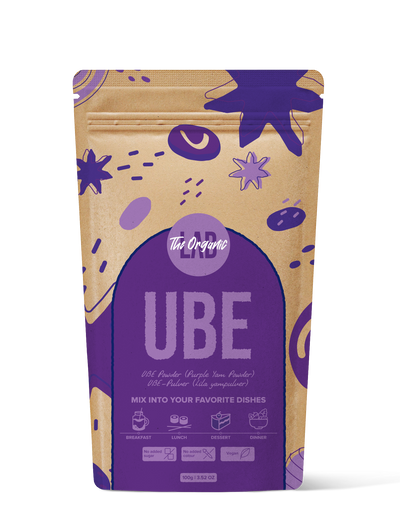
Ube: iced ube latte
Whisk 3–5 g of ube powder into a splash of warm milk or water, sweeten it while warm and spoon it over ice. Pour in cold milk slowly to make 300 ml. Coconut milk and vanilla suit its mild, nutty taste. More in ube powder for cafés.
Açaí: iced açaí latte
For one cup, stir 1–2 teaspoons of açaí powder to a paste with a little warm water and sweetener. Add ice, then cold dairy or oat milk, poured slowly for a two-tone glass. Milk softens the deep purple to lilac. Served cold it keeps its berry notes; heat brings out the earthy side. More in açaí powder for cafés.
Pink Lattes
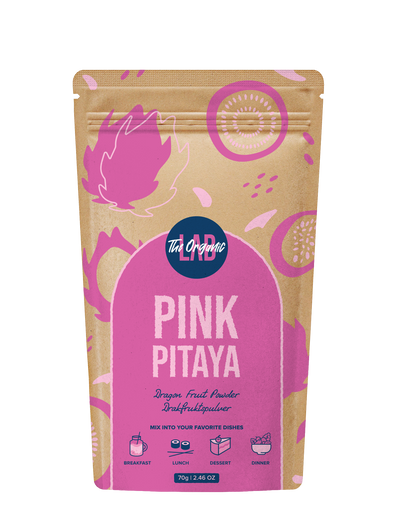
Pink pitaya: hot pink latte
Whisk 3–5 g with a splash of hot water or milk, add syrup and top up with steamed milk to 300 ml. Steam gently, as strong heat dulls the pink, and leave out espresso, which browns it. More in pink pitaya powder for cafés.
Sakura: white chocolate sakura latte
Sift 3–5 g, mix it to a paste with warm milk, add a little white chocolate sauce and pour in steamed milk to 300 ml. The pink is soft and the taste floral. Whole and oat milk give the creamiest cup; coconut tends to cover the blossom. More in sakura powder for cafés.
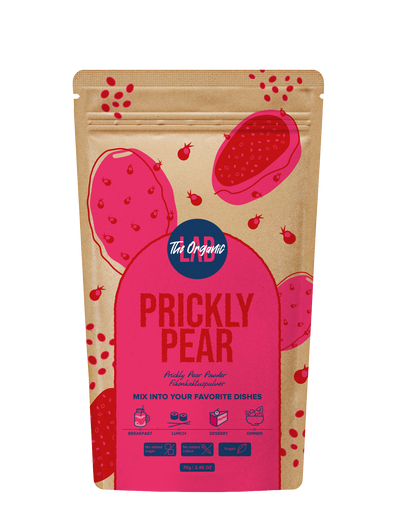
Prickly pear: iced vanilla latte
Dissolve 3–5 g in a little warm milk or water, add vanilla syrup and pour over ice with cold milk to 300 ml. The drink is pastel pink with a berry and melon flavour. More in prickly pear powder for cafés.
Blue Lattes
Blue spirulina: iced blue latte
For 300 ml, whisk ¼ teaspoon for a pastel blue, or up to 1 teaspoon for a deep one, with a little water or milk. Add vanilla syrup, cold milk and ice. Coconut and dairy milk keep the blue clearest; oat makes it softer and slightly greener. The taste is very mild, so the syrup sets the flavour. More in blue spirulina powder for cafés.
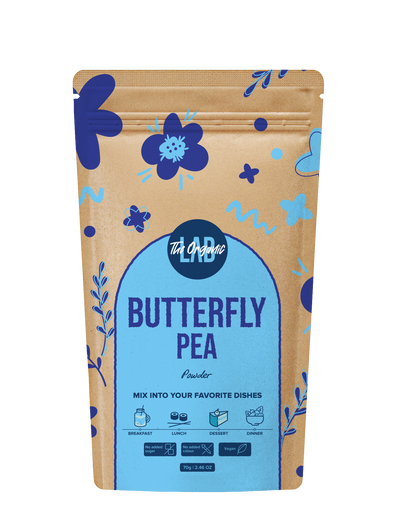
Butterfly pea: hot blue vanilla latte
Dissolve 3–5 g in a little warm water or milk, add vanilla syrup and top up with steamed milk to 300 ml. White foam on blue is good for latte art. Keep lemon away from it: acid turns the drink purple and curdles the milk. More in butterfly pea powder for cafés.
Green Lattes
Matcha: iced matcha latte
Sift 3–5 g and whisk it with a little water at 70–80 °C; boiling water adds bitterness. Fill the glass with ice and cold milk and pour the matcha on top, for a 300 ml drink in green and white. Matcha contains caffeine, so staff should be able to say so. More in matcha powder for cafés.
Pandan: iced pandan coconut latte
Mix 3–5 g to a paste with warm milk or water, sweeten with palm sugar syrup and shake with cold coconut milk and ice to 300 ml. Cold drinks taste milder, so use the upper end of the range. It is sweet and vanilla-like where matcha is vegetal. More in pandan powder for cafés.
Yellow and Amber Lattes
Curcumin: golden latte
Whisk ¼–½ teaspoon into 2 tablespoons of warm milk, then pour in the rest of 300 ml of steamed milk with a pinch of cinnamon or ginger and some honey. More powder brings bitterness, so go up a pinch at a time. More in curcumin powder for cafés.
Pumpkin spice: pumpkin spice latte
Put 1–2 teaspoons in the cup, pull a shot of espresso over it and whisk to a paste. Sweeten with brown sugar or maple syrup, top with steamed milk and dust with powder. It is the one drink here built on coffee. More in pumpkin spice powder for cafés.
Building a Colour Menu
Three colours are enough to start. Pick shades that are far apart, such as green, purple and yellow, so guests see the difference at a glance. Pink pitaya, sakura and prickly pear are all pink, from bright to pastel, so run one at a time and rotate them.
Colours look best in layers. These pairs come from the guides:
- Matcha over butterfly pea: green over blue.
- Sakura under matcha: pink milk, ice, green on top.
- Ube under matcha: purple and green.
- Pandan beside matcha: two green drinks with different tastes, for guests who like to compare.
Some ingredients work against colour. Espresso covers most powders, so float it as a layer. Black tea and brown sugar syrup hide blue. Citrus turns butterfly pea purple, makes blue spirulina fade and dulls matcha. Banana and mango push blue spirulina towards teal.
A simple rotation keeps the menu moving without new methods:
- All year: matcha, plus one purple drink.
- Spring: sakura, launched when the cherry trees bloom in your city.
- Summer: iced pink pitaya, prickly pear or pandan coconut.
- Autumn: pumpkin spice, with the golden latte beside it.
- Winter: hot pandan with palm sugar syrup, white chocolate matcha, and pink pitaya for Valentine's Day.
To stock a range like this, you can mix 3, 5 or 10 bags of 1 kg on our café page.
Prep and Batching
Dry powder whisked into each order is slow and leaves clumps. Always make the paste first, and shake or stir a prepared base before each pour. Two methods save time: pre-weighed pots of dry powder, or a chilled base dosed with a pump or jigger. Two worked examples:
- Pink pitaya: at 4 g and 30 ml of base per drink, 20 drinks need 80 g of powder in 600 ml of base.
- Sakura: 100 g of powder with 400 g of warm water; 20 g of that concentrate carries 4 g of powder.
Not every base keeps equally well. Matcha and pandan fade as they stand, so make enough for the next few hours. Keep blue spirulina chilled and away from light, one service at a time, and never batch blue drinks with citrus ahead. Label every base with the time it was made and follow your own food safety procedures.
- Where the amount is in teaspoons, weigh your chosen spoonful once and write the grams on the card.
- Write one card per drink and per milk, with a photo of the right colour.
- Rinse jugs well after matcha and pandan, which carry over, and mix curcumin in steel or glass, because it stains plastic.
Choosing Your Powders
Taste before you commit: our samples come as one powder or five. When the menu is decided, the page with 1 kg bags for cafés shows which flavours are available, in sets of 3, 5 or 10 that you can mix.


